News

Coyote Trails will continue mission of struggling Medford organization

CTJNC_copy

Bodhi Weir, left, and Kai Fix play a game called “screaming cheetah” Friday afternoon at Coyote Trails Jefferson Nature Center in Medford. Mail Tribune / Julia Moore

November 5, 2011

for the Mail Tribune

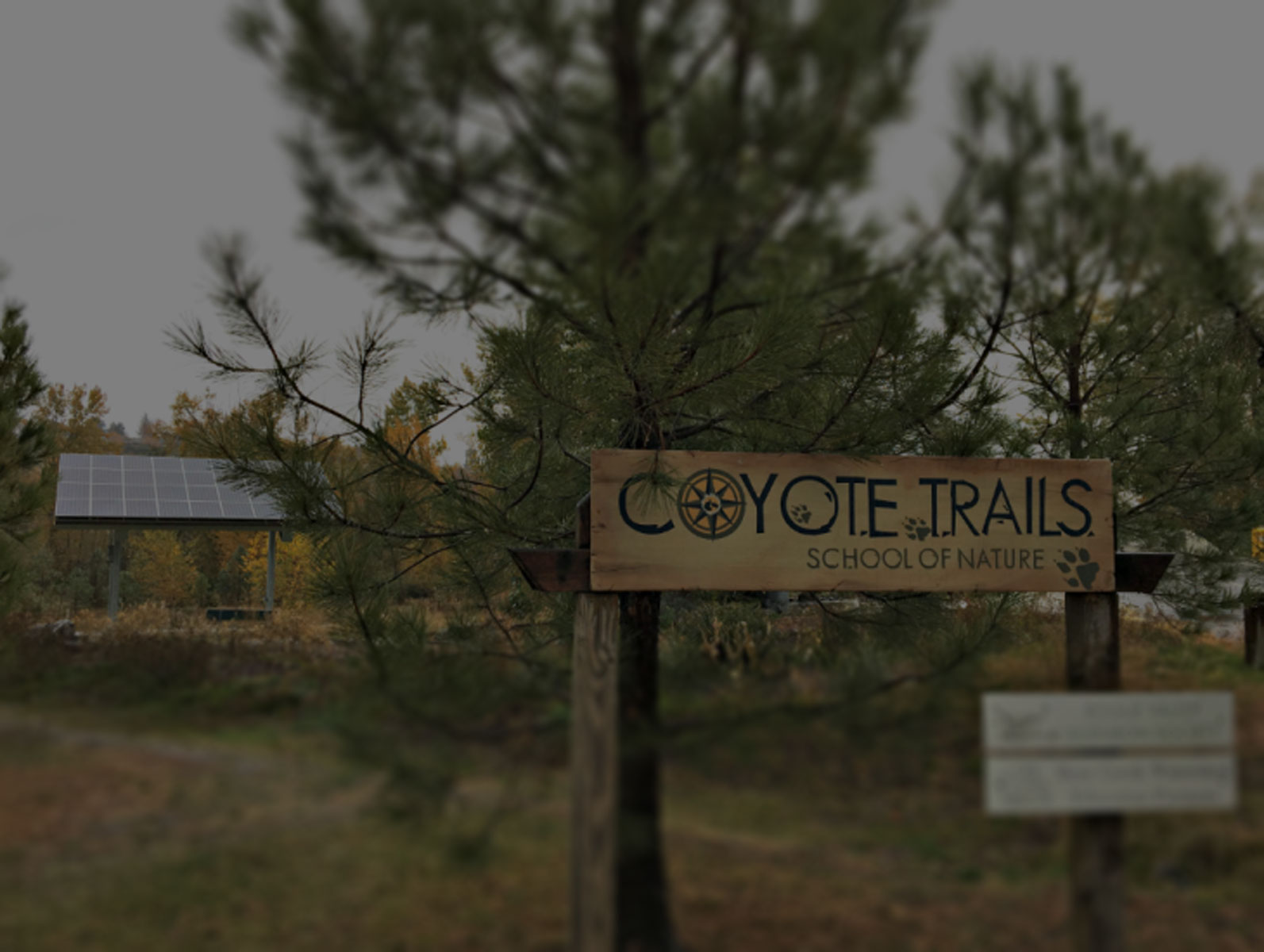
Coyote Trails School of Nature has taken over operation of the financially struggling Jefferson Nature Center in Medford and will continue the center's classes and field trips with low-income schools, while adding many new classes for all ages.

JNC has seen corporate and foundation funding wither during the recession, but has managed to stay out of the red, said outgoing director Susan Cross, adding that she is confident the well-established Coyote Trails, located in the Cascade foothills on Dead Indian Memorial Road, will bring "the energy and capability to make it grow."

Located on the Bear Creek Greenway corridor near the US Cellular Community Park ballfields, the 7-acre Jefferson Nature Center was started in 2004 on land owned by the city of Medford, mainly to provide nature education for Title I schools that lack funds for it. It serves 1,200 school children each year in Medford, Phoenix and Talent.

Its $80,000 to $100,000 budget came chiefly from grants from Carpenter, Meier, Cow Creek and Anna Mae Family foundations, as well as regional fundraising — and made some earnings with contract work, said Cross.

"It's been a hard economy, especially right after 2008. I've been working on organizational development and looking for ways to keep the center intact," said Cross. "I looked for a partner with the same mission, and Coyote Trails had that. They're positioned in the community, with fee-based classes ... that broaden the base of who might support the center."

The newly renamed Coyote Trails' Jefferson Nature Center, which will focus on an underserved 6-and-younger age group, began classes Friday with animal tracking, fire-making, awareness games and salmon spotting.

The center will hold an open house from 10 a.m. to 2 p.m. today, with activities for kids and adults. There will be refreshments, "coyote coffee" (organic), live music and nature-related games, said Joe Kreuzman, director of the 10-year-old Coyote Trails and new director of the combined center.

Read more...

The Charleston Gazette: September 8, 2011

South Charleston environmental consultant Ann Schoolcraft erected this survival shelter using a thick layer of leaves and other forest debris.
By Rick Steelhammer

CHARLESTON, W.Va. -- What do you do if you find yourself lost in the woods, or stranded by a flash flood or heavy snow, as nightfall or severe weather closes in?

 If you're Ann Schoolcraft, you start looking around for a suitable campsite and the materials needed to construct an emergency debris shelter.

"Hypothermia can set in even if it's fairly warm outside -- 53 degrees or below," said Schoolcraft. "You can build a shelter that will keep you dry and reasonably warm using just your hands and materials like sticks and leaves that are already on the ground."

Read more...

Coyote Trails summer program teaches kids outdoor skills and art...

Bryn Scott, 8, of Ashland, gets her hands dirty while participating in an art project at Coyote Trails (photo by Jamie Lusch)

July 11, 2011
By MAT WOLF
Mail Tribune

The Coyote Trails School of Nature summer program in Ashland wrapped up two day camps last week, both aimed at teaching young people survival skills, nature art and an appreciation for the great outdoors.

A Little Foxes program aimed at children ages 6 and younger and an Earth Art program aimed at those ages 7 and older were held just outside of Ashland along Dead Indian Memorial Road. Coyote Trails also runs a variety of more intense camps designed for adults with different skill sets throughout the summer.

Camp Director Joe Kreuzman said that the week's programs combined nature observation and nature art while helping kids get in touch with some long-forgotten abilities.

Read more...

s_jlk-1

Joe Kreuzman looks for animal tracks in a dry creek bed in North Mountain Park. He is starting a club to help people learn how to track different animals and identify their tracks. Tracking club will meet once a month at North Mountain Park Photo by Jim Craven

by Myles Murphy
Ashland Daily Tidings

For Joe Kreuzman, the forest floor is more than simply a place to put one hiking boot in front of the other. It's a book to read slowly and carefully, learning about the creatures that travel this way and that as they go about their lives beyond the regular limits of human awareness.

Kreuzman will attempt to raise that awareness through a new club he's starting in which people can learn and share animal tracking and identification skills. "We learn how to read nature's manuscript," Kreuzman said.

Read more...

bilde

Brian Dwyer, 44, along with his son Rory, examine the fine details of what happens when you walk on different types of surfaces, such as grass during the Tracking training at North Mountain Park, Sunday, March 28, 2010.Photos by Larry Stauth Jr.

April 01, 2010
by Daniel Newberry

Eleven people crouch with their faces close to the sandy ground, staring intently at footprints made less than a minute ago.
It's a windy, overcast Sunday morning in late March at the North Mountain Park playground in Ashland. They shift position often, regarding each footprint from multiple angles, taking in their surroundings using what group leader Joe Kreuzman calls "wide-angle vision."

"An elk can see 270 degrees, behind its head. Video games are focused and obsessive-compulsive. Our ancestors used wide-angle vision, it was survival: if you didn't see it first, the cougar might drop out of the tree, and that would be the end of you," Kreuzman says.

Read more...

Coyote Locations

Testimonials

Kaya - (11) - 2008 Fox Trail told us:
I got to spend a week without time up in the woods with a lot of people who are interested in some of the same things as I am!

© JoomingDales

Click for Ashland, Oregon ForecastClick for Rockbridge, Ohio Forecast